Skip to content

Have you heard about “Cynefin”? This concept is integral to the new curriculum for Wales, which aims to help children feel connected to their community and heritage. 

Never heard of it? We’ve got all the information about Cynefin and its benefits for your children. 

What is cynefin?

Cynefin is a Welsh concept that means more than just habitat; it signifies a deep sense of belonging, rootedness, and identity. Culturally, it plays an essential role in Wales, highlighting the importance of understanding one’s place in the world and connections to community and heritage. This sense of belonging and identity is crucial for creating a cohesive and supportive community.

Cynefin in the new curriculum for Wales

The new curriculum aims to build a sense of belonging in children by incorporating Cynefin. It emphasises learning about local history, language, culture, and the environment, helping children understand and appreciate their heritage. By doing so, it strengthens their identity and connection to their community, promoting a well-rounded, inclusive education.

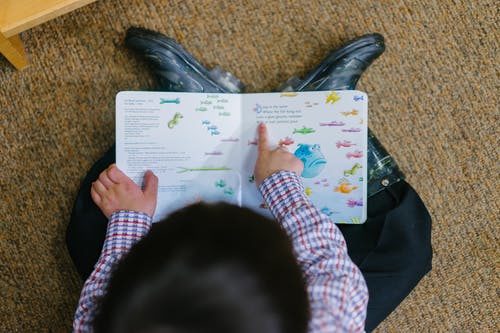
Cynefin

How does cynefin impact children?

1. Boosts self-esteem and social skills

Understanding and feeling a part of their Cynefin can have a profound impact on children’s development. It can:

  • increase their self-esteem,
  • enhance their social skills,
  • and deepen their connection to their community.

When children feel a sense of belonging, they are more confident and better equipped to engage with the world around them.

2. Enhances cognitive and emotional development

Engaging with their cultural and historical context helps children develop critical thinking and problem-solving skills. Furthermore, it creates emotional resilience, as children who feel connected to their heritage and community often exhibit greater emotional stability. This comprehensive approach to learning supports not only their intellectual growth but also their emotional well-being, preparing them to navigate the world with confidence and a strong sense of identity.

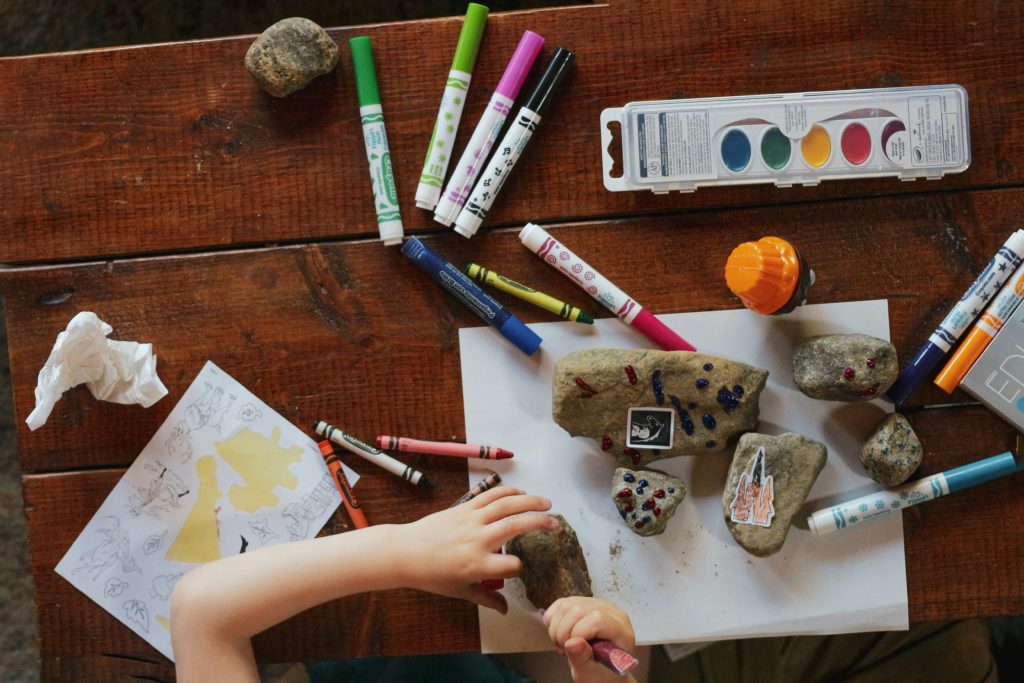
Cynefin

How do schools promote cynefin  

Day-to-day activities to help embrace cynefin could include:

  • Storytelling sessions: Sharing local legends.
  • School trips: Visiting historical sites.
  • Welsh language lessons: Learning the language and traditions.
  • Community projects: Participating in local events.
  • Nature walks: Exploring local nature to connect with the environment.
  • Art projects: Creating artwork inspired by local culture and history.
  • Guest speakers: Inviting community members to share stories and experiences.

How can we help our children with cynefin?

You can explore local history together, participate in community events, and encourage your children to ask questions about their heritage. These activities help reinforce the sense of belonging and rootedness that Cynefin promotes.

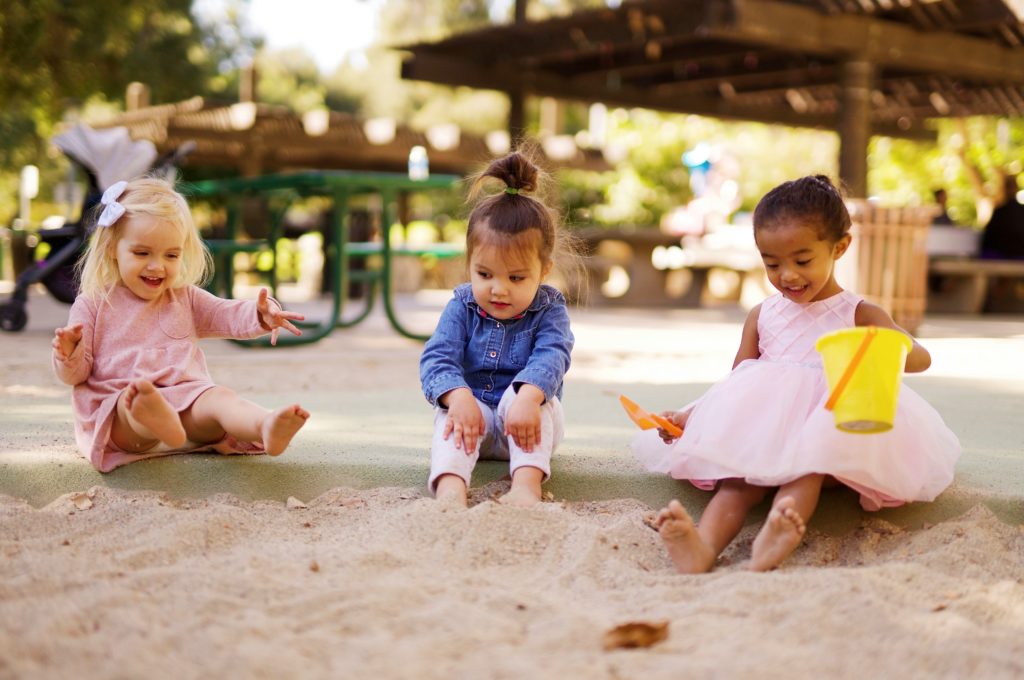
Cynefin

Building a supportive environment

Creating a supportive and inclusive environment is essential both at daycare and at home. Therefore, collaboration between daycare staff and parents is key to reinforcing the sense of belonging in children. 

By embracing Cynefin, we can help our children develop a strong sense of belonging and identity, fostering their overall development. Together, parents and daycare staff can create a supportive environment that nurtures confident and connected individuals.


At Schoolhouse Daycare, we enjoy learning, encouraging confidence and we love life! If you think your child would enjoy life at Schoolhouse, then please do not hesitate to arrange a visit.

 

Looking for more ideas and inspiration? See more from us here:

Parent Information and Blogs

Budget Friendly Gift Ideas for Children Image

28 Nov 2025

Budget Friendly Gift Ideas for Children

Mandie’s Schoolhouse/Teilo’s Mardi Himal Challenge Image

25 Sep 2025

Mandie’s Schoolhouse/Teilo’s Mardi Himal Challenge

Healthy eating tips for infants  Image

24 Sep 2025

Healthy eating tips for infants 

A handy guide to celebrating New Year's Eve with children Image

20 Dec 2024

A handy guide to celebrating New Year's Eve with children

Parents say…

Dear Heledd and Lauren & everyone else in the Under 2’s Team at Singleton,- Thank’s so much! You’ve done so much for Eric since he started in August. He’s come on so much and is such a happy and confident boy. A lot of that is down to you all, you’re amazing!

Emma, Stephen, Ned & Eric

The staff are incredibly friendly and welcoming. We appreciate the regular updates via the app, especially the photos of activities like painting, playing outside, and reading. The observation updates are helpful for tracking Trystan’s skill development, which we can support at home.

We’ve noticed significant improvements in Trystan’s independence, such as using cutlery, dressing himself, and socialising with other children since joining Singleton Day Nursery.

We also love the celebration of national days like National Pet Day and St. David’s Day.

Charlie James, Parent of Trystan

To all of the amazing girls at Princess of Wales, Schoolhouse. I can’t believe I’m actually writing this. For over two years you’ve looked after my little boy, you’ve helped him grow, helped him learn and given him so much confidence. He seemed so small when I first dropped him with you for his very first day. I remember it so well, you were the first group to watch over my baby as he hadn’t left my side until then. I can remember how nervous I was leaving him…but now I can see it was the best thing I could do for him. Thank you from the bottom of my heart for helping my tiny baby become such a cheeky little boy that he is now. I’m sorry he has eaten sooo much food, but he loves all your meals (please send me some recipes) As William grows older and starts his next chapter we will never forget everything you’ve done for William. Thank you so much- William always wishes Maddy, Lauren and Cody sweet dreams at bed time!

Emma & Tom Moore (and William too!)

Technology is everywhere, shaping how we communicate, work, and even relax – and with it comes many challenges. For parents, technology use can bring incredible opportunities BUT it can also significantly impact family life (and not in a good way!).

Since striking the right balance is crucial for our children (and our own sanity!), this article explores some practical strategies to ensure your family benefits from technology without being overwhelmed by it.

1. Understand the impact of technology

Technology offers great benefits, like educational resources, connectivity with loved ones, and endless entertainment. With the right apps, learning becomes engaging, and staying in touch is simpler than ever.

However, overuse can reduce face-to-face interactions, lead to dependency, and impact mental health. It’s crucial to be aware of these risks to prevent technology from disrupting family life.

Simple actions to take:

  • Teach responsible and purposeful technology use.
  • Explain which apps are beneficial and why.
  • Guide thoughtful choices about screen time.

Technology Use for Families

2. Establish family guidelines

One of the best ways to manage technology use for families is by creating a plan. This plan should outline clear boundaries for screen time and the type of content that is appropriate. Having these guidelines helps ensure everyone in the family is on the same page.

Make sure your rules are suitable for the ages of your children and flexible enough to accommodate different situations, like holidays or remote learning periods.

3. Use parental controls

Implement parental controls on devices to manage what your children can access. This helps ensure they are only exposed to age-appropriate content and it limits their screen time.

4. Encourage positive role modelling

Setting a good example as parents or guardians is key, so you need to be aware of your own usage of technology. For example, show your children how to balance tech use by putting devices away during meals and family time. This helps reinforce the idea that not all moments need to be captured or interrupted by screens.

Technology Use for Families

5. Practice open communication and education

Keep the conversation about technology ongoing. Talk openly about both the benefits and risks, making sure your children understand digital literacy and safety. This proactive approach helps them understand the digital world more confidently.

Our tip: Don’t wait for issues to arise! Discuss potential problems like cyberbullying and exposure to inappropriate content ahead of time. Equip your children with strategies to handle these situations, ensuring they feel safe and supported in their online interactions.

6. Promote offline activities

Encourage your family to engage in activities that don’t involve screens. Outdoor play, reading, and family board games are great alternatives to reduce technology use for families. These activities help build bonds and create memories without the need for technology.

Technology Use for Families

7. Use technology purposefully

Make the most of technology by using educational apps and programs that enhance learning and creativity. These tools can make education fun and engaging, interactively providing valuable skills.

Another great use of technology is to stay connected with extended family and friends, especially when physical visits aren’t possible.

8. Regularly review and adjust

Regularly review and adjust your family’s technology use policies to keep them relevant. This ensures they meet your family’s changing needs and circumstances effectively.

Technology Use for Families

a

Balancing technology use for families is challenging – but trust us when we say that it is crucial for well-being. Not just for your children, but for the whole family and yourselves as well. If you implement these eight strategies that we’ve outlined above, you’ll soon see a happier, healthier, and more harmonious relationship with technology in your household. Not to mention, you’ll all spend so much more time with each other, making memories that last!


At Schoolhouse Daycare, we enjoy learning, encouraging confidence and we love life! If you think your child would enjoy life at Schoolhouse, then please do not hesitate to arrange a visit.

 

Looking for more ideas and inspiration? See more from us here:

Parent Information and Blogs

Budget Friendly Gift Ideas for Children Image

28 Nov 2025

Budget Friendly Gift Ideas for Children

Mandie’s Schoolhouse/Teilo’s Mardi Himal Challenge Image

25 Sep 2025

Mandie’s Schoolhouse/Teilo’s Mardi Himal Challenge

Healthy eating tips for infants  Image

24 Sep 2025

Healthy eating tips for infants 

A handy guide to celebrating New Year's Eve with children Image

20 Dec 2024

A handy guide to celebrating New Year's Eve with children

Parents say…

Dear Heledd and Lauren & everyone else in the Under 2’s Team at Singleton,- Thank’s so much! You’ve done so much for Eric since he started in August. He’s come on so much and is such a happy and confident boy. A lot of that is down to you all, you’re amazing!

Emma, Stephen, Ned & Eric

The staff are incredibly friendly and welcoming. We appreciate the regular updates via the app, especially the photos of activities like painting, playing outside, and reading. The observation updates are helpful for tracking Trystan’s skill development, which we can support at home.

We’ve noticed significant improvements in Trystan’s independence, such as using cutlery, dressing himself, and socialising with other children since joining Singleton Day Nursery.

We also love the celebration of national days like National Pet Day and St. David’s Day.

Charlie James, Parent of Trystan

To all of the amazing girls at Princess of Wales, Schoolhouse. I can’t believe I’m actually writing this. For over two years you’ve looked after my little boy, you’ve helped him grow, helped him learn and given him so much confidence. He seemed so small when I first dropped him with you for his very first day. I remember it so well, you were the first group to watch over my baby as he hadn’t left my side until then. I can remember how nervous I was leaving him…but now I can see it was the best thing I could do for him. Thank you from the bottom of my heart for helping my tiny baby become such a cheeky little boy that he is now. I’m sorry he has eaten sooo much food, but he loves all your meals (please send me some recipes) As William grows older and starts his next chapter we will never forget everything you’ve done for William. Thank you so much- William always wishes Maddy, Lauren and Cody sweet dreams at bed time!

Emma & Tom Moore (and William too!)

Raising our children with empathy, respect, and understanding is at the heart of the gentle parenting approach. It’s no wonder then, why this method is becoming increasingly popular. 

Today, we’re exploring the core principles of gentle parenting, debunking some common myths, and sharing practical tips to help you create a loving and respectful family dynamic.

What is gentle parenting?

The gentle parenting approach is about nurturing and building strong, positive relationships rather than using traditional, authoritarian methods.  It’s about understanding children’s feelings, treating them as individuals with their rights, and fostering their emotional growth. 

Gentle parenting encourages open communication and mutual respect, creating a more supportive and loving family environment.

gentle parenting approach

Core principles of gentle parenting

Empathy: Recognising and validating children’s emotions is crucial in gentle parenting. It involves active listening and emotional validation, showing children that their feelings matter. 

Respect: Building a respectful relationship with your children is key; this means setting clear boundaries while maintaining mutual respect. It involves using respectful communication, such as listening to their views and speaking kindly.

Understanding: Creating a supportive and understanding environment is vital for children’s emotional growth. This requires patience and positive reinforcement, to help kids feel secure and valued. Techniques like considering their perspectives and addressing their needs thoughtfully encourage a deeper connection and better behaviour.

gentle parenting approach

Common misconceptions about gentle parenting

You may think the gentle parenting approach only works with easy-going kids. In reality, it’s a structured, effective approach for all children. It involves setting boundaries and consistency, not just letting children do whatever they want.

Here are some examples of how to address behaviours with gentle parenting:

  • A tantrum in a public place: Stay calm and respond empathetically. Offer choices to give your child a sense of control.
  • Sibling rivalry: Resolve conflicts respectfully by promoting open communication and understanding each child’s perspective.
  • Bedtime battles: Address fears and establish comforting routines to make bedtime smoother and more secure.

The pros and challenges of gentle parenting 

Benefits

  • The gentle parenting approach offers long-term emotional and social benefits for children, enhancing parent-child relationships and fostering self-discipline and emotional intelligence. It builds trust and security, leading to open, honest communication. 
  • Children learn to navigate challenges with support rather than fear by encouraging problem-solving skills and independence, reducing stress and anxiety. 
  • This approach also promotes strong emotional regulation skills, resulting in better behaviour and social interactions.

Overall, gentle parenting creates a nurturing, positive atmosphere that benefits the entire family.

gentle parenting approach

Challenges (and how to overcome them)

Adopting gentle parenting can come with its own set of challenges.

Parents often struggle with staying consistent and patient, especially when faced with public tantrums or sibling rivalry. Practical tips include setting clear, realistic expectations for yourself and your children, seeking support from like-minded communities, and practising self-care to maintain your own emotional balance. 

Remember, the key is to stay consistent and patient. Embracing these challenges as learning opportunities can help you grow alongside your children, making the journey more rewarding.

a

Gentle parenting, with its emphasis on empathy, respect, and understanding, creates a nurturing and supportive environment for children. It helps build stronger parent-child relationships and fosters emotional intelligence and self-discipline.


At Schoolhouse Daycare, we enjoy learning, encouraging confidence and we love life! If you think your child would enjoy life at Schoolhouse, then please do not hesitate to arrange a visit.

 

Looking for more ideas and inspiration? See more from us here:

Parent Information and Blogs

Budget Friendly Gift Ideas for Children Image

28 Nov 2025

Budget Friendly Gift Ideas for Children

Mandie’s Schoolhouse/Teilo’s Mardi Himal Challenge Image

25 Sep 2025

Mandie’s Schoolhouse/Teilo’s Mardi Himal Challenge

Healthy eating tips for infants  Image

24 Sep 2025

Healthy eating tips for infants 

A handy guide to celebrating New Year's Eve with children Image

20 Dec 2024

A handy guide to celebrating New Year's Eve with children

Parents say…

Dear Heledd and Lauren & everyone else in the Under 2’s Team at Singleton,- Thank’s so much! You’ve done so much for Eric since he started in August. He’s come on so much and is such a happy and confident boy. A lot of that is down to you all, you’re amazing!

Emma, Stephen, Ned & Eric

The staff are incredibly friendly and welcoming. We appreciate the regular updates via the app, especially the photos of activities like painting, playing outside, and reading. The observation updates are helpful for tracking Trystan’s skill development, which we can support at home.

We’ve noticed significant improvements in Trystan’s independence, such as using cutlery, dressing himself, and socialising with other children since joining Singleton Day Nursery.

We also love the celebration of national days like National Pet Day and St. David’s Day.

Charlie James, Parent of Trystan

To all of the amazing girls at Princess of Wales, Schoolhouse. I can’t believe I’m actually writing this. For over two years you’ve looked after my little boy, you’ve helped him grow, helped him learn and given him so much confidence. He seemed so small when I first dropped him with you for his very first day. I remember it so well, you were the first group to watch over my baby as he hadn’t left my side until then. I can remember how nervous I was leaving him…but now I can see it was the best thing I could do for him. Thank you from the bottom of my heart for helping my tiny baby become such a cheeky little boy that he is now. I’m sorry he has eaten sooo much food, but he loves all your meals (please send me some recipes) As William grows older and starts his next chapter we will never forget everything you’ve done for William. Thank you so much- William always wishes Maddy, Lauren and Cody sweet dreams at bed time!

Emma & Tom Moore (and William too!)

Encouraging independence in children is crucial for building their confidence and self-reliance. By integrating daily routines and reward systems, along with practical tools like charts and routine templates, we can significantly aid this developmental goal.

Here´s how.

a

The importance of routine in encouraging independence

Establishing a routine is fundamental to encouraging independence in children. Why? Because regular schedules provide the necessary structure and predictability that´s essential for healthy development. 

For example, such routines:

  • enhance confidence,
  • reduce anxiety during transitions,
  • and provide a sense of security.

And this allows children to confidently tackle new challenges.

a

Age-appropriate chores to build independence

Incorporating age-appropriate chores into daily routines teaches responsibility and encourages independence from a young age. Here’s how chores can be tailored by age:

  • Toddlers: Putting away toys, and placing dirty clothes in the laundry.
  • Young Children: Making beds, helping to set the table.
  • Older Children: Assisting in meal preparation, and managing personal hygiene.

encouraging independence in children

a

Effective use of reward charts to encourage independence

Reward charts are excellent tools for motivating children, linking specific tasks to rewards and creating a positive feedback loop. Examples include:

  • Sticker charts for younger children to reward daily tasks.
  • Point systems for older children, where points are exchanged for larger rewards.

a

Daily routine charts to build structure

Routine charts help organise a child’s day, instilling structure and predictability. For example:

  • Morning charts: Include tasks like making the bed and brushing teeth.
  • Evening charts: Focus on preparing for the next day, such as packing school bags and getting ready for bed.
  • Chore charts: Listing daily chores.

Read: Age Appropriate Chores for Children to Help Them Learn Valuable Life Skills

encouraging independence in children

a

Customising routines to encourage independence

As children grow, their routines should adapt to align with their developmental stages and changing needs. Flow-style routines offer flexibility, adjusting to daily demands while providing structure. For instance, bedtime might vary based on the day’s activities or the child’s tiredness levels.

a

Encouraging independence through structured play and decision-making

Allowing children to play independently and make decisions about their activities encourages creativity and problem-solving skills. For example, encourage: 

  • Independent playtime: to build creativity and self-sufficiency.
  • Choice in activities: to enhance decision-making skills.
  • Problem-solving tasks: to boost logical thinking.

encouraging independence in children

a

How parents can encourage independence in children

Encouraging independence in children means providing opportunities for children to make decisions and allowing them to understand the consequences. Therefore, parents should aim to be supportive guides rather than directors of their children’s daily activities.

For example, allowing a child to choose their outfit for the day teaches decision-making. Even if the result is a mismatched ensemble. Parents must sometimes step back and let children tackle challenges independently, stepping in only when necessary. This approach not only boosts a child’s confidence but also cultivates critical problem-solving skills as they learn from their successes and mistakes. 

a

Empowering future generations

By encouraging daily decisions and problem-solving, we enhance children’s confidence and judgment, preparing them for future challenges.

These strategies collectively play a crucial role in encouraging independence in children, providing a foundation for them to thrive in all areas of life.


At Schoolhouse Daycare, we enjoy learning, encouraging confidence and we love life! If you think your child would enjoy life at Schoolhouse, then please do not hesitate to arrange a visit.

 

Looking for more ideas and inspiration? See more from us here:

Parent Information and Blogs

Budget Friendly Gift Ideas for Children Image

28 Nov 2025

Budget Friendly Gift Ideas for Children

Mandie’s Schoolhouse/Teilo’s Mardi Himal Challenge Image

25 Sep 2025

Mandie’s Schoolhouse/Teilo’s Mardi Himal Challenge

Healthy eating tips for infants  Image

24 Sep 2025

Healthy eating tips for infants 

A handy guide to celebrating New Year's Eve with children Image

20 Dec 2024

A handy guide to celebrating New Year's Eve with children

Parents say…

Dear Heledd and Lauren & everyone else in the Under 2’s Team at Singleton,- Thank’s so much! You’ve done so much for Eric since he started in August. He’s come on so much and is such a happy and confident boy. A lot of that is down to you all, you’re amazing!

Emma, Stephen, Ned & Eric

The staff are incredibly friendly and welcoming. We appreciate the regular updates via the app, especially the photos of activities like painting, playing outside, and reading. The observation updates are helpful for tracking Trystan’s skill development, which we can support at home.

We’ve noticed significant improvements in Trystan’s independence, such as using cutlery, dressing himself, and socialising with other children since joining Singleton Day Nursery.

We also love the celebration of national days like National Pet Day and St. David’s Day.

Charlie James, Parent of Trystan

To all of the amazing girls at Princess of Wales, Schoolhouse. I can’t believe I’m actually writing this. For over two years you’ve looked after my little boy, you’ve helped him grow, helped him learn and given him so much confidence. He seemed so small when I first dropped him with you for his very first day. I remember it so well, you were the first group to watch over my baby as he hadn’t left my side until then. I can remember how nervous I was leaving him…but now I can see it was the best thing I could do for him. Thank you from the bottom of my heart for helping my tiny baby become such a cheeky little boy that he is now. I’m sorry he has eaten sooo much food, but he loves all your meals (please send me some recipes) As William grows older and starts his next chapter we will never forget everything you’ve done for William. Thank you so much- William always wishes Maddy, Lauren and Cody sweet dreams at bed time!

Emma & Tom Moore (and William too!)

Learning to assess hazards and understand risks in life is a normal part of an adult’s every day – but how did we learn to do this – and how can we teach our children to do the same?

Taking risks and learning from them is an inevitable and important part of growing up. And as parents or carers, it is our responsibility to encourage healthy risk-taking behaviour. By understanding different types of such behaviour and the motivation behind them, you can set children up for success and reduce their risk of harm in future life.

Here´s our essential guide to risky play.

a

Why is risky play important?

Children take risks for a number of reasons. As some children develop mastery of a task, they take risks to improve their skills; for example, as pre-schoolers, they may try balancing on logs in their favourite park, which can lead to them walking on top of a wall by a river as they turn into teenagers! Some risk-taking behaviours stem from an effort to assert independence and develop autonomy.

We tend to associate the term risk with dangerous activities, but risk-taking behaviours can be healthy, too. For example, when your child steps outside of their comfort zone and participates in a new activity, or when they are joining a new leisure club, or auditioning for a role in the latest school play – these all come with risk and sometimes disappointment, but isn’t that a part of learning how to deal with new situations when they are older?

Such healthy risk-taking behaviors are a normal and important part of child development and should be encouraged as your children learn to make good choices and become more skilled and independent.

risky play

a

Guidelines for safe risk-taking

Providing children with opportunities to take controlled risks helps them grow, so how can we do this (without giving ourselves a heart attack)?

When it comes to facilitating risky play safely, it’s all about striking the right balance between freedom and safety. Here are some practical tips for parents and educators:

  • Adopt the “As safe as necessary” approach: Instead of trying to make everything ‘as safe as possible’, focus on making environments safe for children to explore risks without danger. 
  • Use the 17-second rule: Before stepping in, pause for 17 seconds to observe how a child handles a risky situation. This brief moment can provide insight into whether the child can manage independently or needs your help.
  • Create safe boundaries: Design play areas that encourage risk-taking within a safety framework. This might mean setting up a climbing frame with appropriate fall mats, choosing safe locations for playing near elements like water, or supervising activities that involve tools.

risky play

a

Age-appropriate risky play and its benefits

Risky play is a dynamic way to support a child’s development. Not to mention that it teaches resilience and independence within a safe environment!

Let’s explore the types of risky play and their benefits:

  1. Play with heights: Climbing trees and structures allows children to develop their coordination and assess their limits. For toddlers, this means supervised climbing on low structures. Preschoolers can tackle more complex climbing challenges, and school-age children can ascend to greater heights under watchful eyes. risky play
  2. Experiencing speed: Activities like riding bikes or sledges give children a sense of speed and motion. Toddlers can enjoy gentle pushes on swings, preschoolers can start with tricycles, and older children can handle bikes and sledges on varied terrains.
  3. Using tools: Handling tools, such as building forts with real hammers or saws, teaches responsibility and fine motor skills. Supervised tool use starts simply with preschoolers, who might use screwdrivers under adult supervision, and expands to more complex tools for school-aged children.
  4. Playing near elements: Being near elements like water and fire can teach children about natural forces and safety precautions. Water play can begin with shallow paddling pools for toddlers; supervised beach trips are great for preschoolers, and you can explore more adventurous water activities like kayaking for older children, always under strict supervision.
  5. Rough-and-tumble play: Wrestling and play fighting help children understand social boundaries and physical capabilities. This form of play should be closely monitored to ensure it stays friendly and fun. risky play
  6. Disappearing games: Games like hide-and-seek offer independence and exploration. Toddlers can play peek-a-boo; preschoolers can enjoy hide-and-seek in safe indoor spaces, and school-age children can extend their play to larger yet secure outdoor areas.

a

Your role in risky play

The tendency of parents to wrap children in cotton wool has transformed how some children experience childhood today. It is important to remember that risk-taking is a normal part of a child’s development; it allows a child to define his identity and grow as an individual.

When children play, they move from what they know and can do—and what is, therefore, familiar and boring—to what is engaging, exciting, uncertain, and new. By taking risks, children build their capabilities, explore their emotions, expand their horizons, and test boundaries. They also gain practical experience of taking responsibility for their own safety.

So, talk to your children about risks and discuss ways to reduce the negative aspects of risk. Give your child opportunities to participate in healthy risk-taking behaviour and model appropriate risk-taking behaviour. Be brave by stepping back and giving your child space, but ensure you’re within reach that´s comfortable for you!


At Schoolhouse Daycare, we enjoy learning, encouraging confidence and we love life! If you think your child would enjoy life at Schoolhouse, then please do not hesitate to arrange a visit.

 

Looking for more ideas and inspiration? See more from us here:


Parent Information and Blogs

Budget Friendly Gift Ideas for Children Image

28 Nov 2025

Budget Friendly Gift Ideas for Children

Mandie’s Schoolhouse/Teilo’s Mardi Himal Challenge Image

25 Sep 2025

Mandie’s Schoolhouse/Teilo’s Mardi Himal Challenge

Healthy eating tips for infants  Image

24 Sep 2025

Healthy eating tips for infants 

A handy guide to celebrating New Year's Eve with children Image

20 Dec 2024

A handy guide to celebrating New Year's Eve with children

Parents say…

Dear Heledd and Lauren & everyone else in the Under 2’s Team at Singleton,- Thank’s so much! You’ve done so much for Eric since he started in August. He’s come on so much and is such a happy and confident boy. A lot of that is down to you all, you’re amazing!

Emma, Stephen, Ned & Eric

The staff are incredibly friendly and welcoming. We appreciate the regular updates via the app, especially the photos of activities like painting, playing outside, and reading. The observation updates are helpful for tracking Trystan’s skill development, which we can support at home.

We’ve noticed significant improvements in Trystan’s independence, such as using cutlery, dressing himself, and socialising with other children since joining Singleton Day Nursery.

We also love the celebration of national days like National Pet Day and St. David’s Day.

Charlie James, Parent of Trystan

To all of the amazing girls at Princess of Wales, Schoolhouse. I can’t believe I’m actually writing this. For over two years you’ve looked after my little boy, you’ve helped him grow, helped him learn and given him so much confidence. He seemed so small when I first dropped him with you for his very first day. I remember it so well, you were the first group to watch over my baby as he hadn’t left my side until then. I can remember how nervous I was leaving him…but now I can see it was the best thing I could do for him. Thank you from the bottom of my heart for helping my tiny baby become such a cheeky little boy that he is now. I’m sorry he has eaten sooo much food, but he loves all your meals (please send me some recipes) As William grows older and starts his next chapter we will never forget everything you’ve done for William. Thank you so much- William always wishes Maddy, Lauren and Cody sweet dreams at bed time!

Emma & Tom Moore (and William too!)

Why is it important for a child to feel safe?

Since it´s Child Safety Week, we thought this was an important question to answer.

At Schoolhouse Daycare, we are committed to child safety and ensuring that every child feels secure and nurtured in our environment. After all, this is key to helping them learn and grow confidently, and for the healthy development of their young minds.

If you want to know more about how to make a child feel safe and why this is so important, read on.

a

The importance of feeling safe and valued

Feeling safe and valued is essential for a child’s development. Research shows that children learn best when they are free from fear, enabling them to fully engage and take intellectual risks. 

A secure environment fosters effective and meaningful learning, encouraging active participation and the embrace of challenges. This supportive setting not only enhances their academic journey but also promotes their overall well-being, making it crucial to make a child feel safe to unlock their full potential.

Read: Professional Love in Early Years Settings: Why it´s Essential

a

Practical strategies to make a child feel safe

Ensuring that children feel secure is fundamental to their development. Here are five practical ways to make a child feel safe, drawn from expert recommendations:

  1. Limits and boundaries: Establish clear rules that help children understand what is expected of them. This predictability makes the world less intimidating and helps children navigate their environments more confidently.
  2. Control: Always remain calm and be a voice of reason, especially during moments of misbehaviour. Remember, such moments often mean a child is struggling with emotions and needs your guidance to learn appropriate responses.
  3. Availability: Be consistently present, especially after conflicts or challenges. Quick reconciliations show children that disagreements don’t affect your love and support, reinforcing a sense of security.
  4. Acknowledge mistakes: When mistakes occur, admit them. Demonstrating that everyone, even adults, can err and recover teaches resilience and honesty.
  5. Routines and schedules: Maintain a consistent daily routine. Regular schedules provide stability and comfort, especially during times of change or stress.
  6. Open communication: Foster an environment where children feel comfortable expressing their feelings and concerns without fear of judgement. Encourage them to talk about their day and share both positive experiences and worries.
  7. Physical comfort: Sometimes, physical reassurance such as hugs, holding hands, or a pat on the back can help provide a sense of security. Gauge what each child is comfortable with to ensure they feel supported in a way that respects their boundaries.
  8. Educate on safety skills: Teach children basic safety measures like knowing who to contact in an emergency, understanding their home address, and how to assess safe versus unsafe situations. This knowledge can empower them and reduce anxiety about the unknown.

make a child feel safe


In conclusion, we can make a child feel safe by establishing a secure, supportive environment. Using practical strategies like clear boundaries, constant availability, and open communication, we can nurture children’s confidence and well-being.

These efforts not only help children thrive in the present but also equip them with the resilience to face future challenges.


Champions for child safety

At Schoolhouse, we are proud to partner with the Child Accident Prevention Trust (CAPT) during Child Safety Week. Our collaboration underscores our deep commitment to child safety, amplifying our impact on community safety initiatives. 

This partnership demonstrates our dedication to creating safer environments for children. Together with CAPT, we strive to make a child feel safe, embodying our core values through active community involvement.


___________________________________________

At Schoolhouse Daycare, we enjoy learning, encouraging confidence and we love life! If you think your child would enjoy life at Schoolhouse, then please do not hesitate to arrange a visit.

 

Need more help or advice? Find more from us here:


Parent Information and Blogs

Budget Friendly Gift Ideas for Children Image

28 Nov 2025

Budget Friendly Gift Ideas for Children

Mandie’s Schoolhouse/Teilo’s Mardi Himal Challenge Image

25 Sep 2025

Mandie’s Schoolhouse/Teilo’s Mardi Himal Challenge

Healthy eating tips for infants  Image

24 Sep 2025

Healthy eating tips for infants 

A handy guide to celebrating New Year's Eve with children Image

20 Dec 2024

A handy guide to celebrating New Year's Eve with children

Parents say…

Dear Heledd and Lauren & everyone else in the Under 2’s Team at Singleton,- Thank’s so much! You’ve done so much for Eric since he started in August. He’s come on so much and is such a happy and confident boy. A lot of that is down to you all, you’re amazing!

Emma, Stephen, Ned & Eric

The staff are incredibly friendly and welcoming. We appreciate the regular updates via the app, especially the photos of activities like painting, playing outside, and reading. The observation updates are helpful for tracking Trystan’s skill development, which we can support at home.

We’ve noticed significant improvements in Trystan’s independence, such as using cutlery, dressing himself, and socialising with other children since joining Singleton Day Nursery.

We also love the celebration of national days like National Pet Day and St. David’s Day.

Charlie James, Parent of Trystan

To all of the amazing girls at Princess of Wales, Schoolhouse. I can’t believe I’m actually writing this. For over two years you’ve looked after my little boy, you’ve helped him grow, helped him learn and given him so much confidence. He seemed so small when I first dropped him with you for his very first day. I remember it so well, you were the first group to watch over my baby as he hadn’t left my side until then. I can remember how nervous I was leaving him…but now I can see it was the best thing I could do for him. Thank you from the bottom of my heart for helping my tiny baby become such a cheeky little boy that he is now. I’m sorry he has eaten sooo much food, but he loves all your meals (please send me some recipes) As William grows older and starts his next chapter we will never forget everything you’ve done for William. Thank you so much- William always wishes Maddy, Lauren and Cody sweet dreams at bed time!

Emma & Tom Moore (and William too!)

Have you ever considered the miraculous journey of a child’s brain development during the early years? This period, teeming with growth and transformation, is a marvel to behold. To explore this intricate process in more depth, here are 6 fascinating facts you may not know about your child´s brain development.


#1 – The majority of brain growth happens in the first 5 years.

A fact that might surprise you is that a newborn’s brain, though only about a quarter of an adult’s in size, expands to almost 90% of adult size by age five. And that’s just the start.

In the early years, a child’s brain is very active, making over a million neural connections every second. These connections will influence future learning, behaviour, and health, quite literally moulding their future selves. Quite something, isn’t it?

Read: Why Day Nurseries are Essential for Early Learning

#2 – Positive interactions are key to growth and success.

What’s heartwarming is how our interactions with children can help drive this remarkable growth. Simple acts like chatting, reading, or singing to a child can bolster these neural connections and encourage cognitive growth. Playing with them, and engaging with their imaginative worlds, is also a massive booster.

It’s been found that high-quality early childhood education can significantly impact a child’s success down the line. It’s akin to nurturing a tiny seed into a lush, sturdy tree over time.

toddler reading a book

#3 – Nurturing a strong parent-child relationship as early as possible is essential for social development.

Building on this, we move to attachment theory, which focuses on the emotional bonds children form with their caregivers during these early years. These bonds greatly impact their social and emotional growth. Simply put, consistent, loving care forms a secure attachment, fostering a positive self-image and a healthy approach to learning.

In contrast, inconsistent care can result in insecure attachment, which may hinder a child’s emotional development. Hence, these early bonds play a crucial role in shaping a child’s future.

#4 – Young children sleep so much due to learning, rather than rest.

Now, despite being bundles of energy, young children spend about half their time asleep. But don’t be fooled, their brains aren’t on a break. While peacefully snoozing, their brains are busy sorting out memories and assimilating the day’s experiences, further strengthening their neural pathways. This underlines just how crucial a good night’s sleep is for healthy brain development.

baby sleeping in a bed to represent child´s brain development

#5 – Children don´t have a dominant side of their brain in the first 3 years.

You might’ve heard about people being ‘left-brained’ or ‘right-brained,’ but in young children, things are a bit different. They utilise both sides of their brain equally until about the age of three when they might start leaning towards one side.

This could be why children are such amazing inventors and storytellers. It’s like they’ve got an orchestra in their heads, and everyone’s playing together!

#6 – Young children learn different languages incredibly well.

One of the standout marvels of early childhood is the natural gift for language. It’s remarkable how young kids can differentiate between different sounds and languages – something which often challenges adults.

That’s why we should embrace the opportunity to introduce children to different languages at an early age. They’re ready-made linguists, picking up sounds and structures with ease.

a little boy holding his mother's face to represent how to teach your child kindness

Childhood: A Time of Wonder

Peering into these captivating facts about a child’s brain development in the early years is like uncovering hidden wonders. This time is a hotbed of fast-paced development, with each child charting their unique course filled with milestones and discoveries.

As adults, we can play a vital role in guiding and nurturing this growth. These little humans aren’t just our future, they are our present too, a vibrant and exciting present that’s growing and learning each day.


___________________________________________

At Schoolhouse Daycare, we enjoy learning, encouraging confidence and we love life! If you think your child would enjoy life at Schoolhouse, then please do not hesitate to arrange a visit.

 

Need more help or advice? Find more from us here:

Parent Information and Blogs

Budget Friendly Gift Ideas for Children Image

28 Nov 2025

Budget Friendly Gift Ideas for Children

Mandie’s Schoolhouse/Teilo’s Mardi Himal Challenge Image

25 Sep 2025

Mandie’s Schoolhouse/Teilo’s Mardi Himal Challenge

Healthy eating tips for infants  Image

24 Sep 2025

Healthy eating tips for infants 

A handy guide to celebrating New Year's Eve with children Image

20 Dec 2024

A handy guide to celebrating New Year's Eve with children

Parents say…

Dear Heledd and Lauren & everyone else in the Under 2’s Team at Singleton,- Thank’s so much! You’ve done so much for Eric since he started in August. He’s come on so much and is such a happy and confident boy. A lot of that is down to you all, you’re amazing!

Emma, Stephen, Ned & Eric

The staff are incredibly friendly and welcoming. We appreciate the regular updates via the app, especially the photos of activities like painting, playing outside, and reading. The observation updates are helpful for tracking Trystan’s skill development, which we can support at home.

We’ve noticed significant improvements in Trystan’s independence, such as using cutlery, dressing himself, and socialising with other children since joining Singleton Day Nursery.

We also love the celebration of national days like National Pet Day and St. David’s Day.

Charlie James, Parent of Trystan

To all of the amazing girls at Princess of Wales, Schoolhouse. I can’t believe I’m actually writing this. For over two years you’ve looked after my little boy, you’ve helped him grow, helped him learn and given him so much confidence. He seemed so small when I first dropped him with you for his very first day. I remember it so well, you were the first group to watch over my baby as he hadn’t left my side until then. I can remember how nervous I was leaving him…but now I can see it was the best thing I could do for him. Thank you from the bottom of my heart for helping my tiny baby become such a cheeky little boy that he is now. I’m sorry he has eaten sooo much food, but he loves all your meals (please send me some recipes) As William grows older and starts his next chapter we will never forget everything you’ve done for William. Thank you so much- William always wishes Maddy, Lauren and Cody sweet dreams at bed time!

Emma & Tom Moore (and William too!)

Ever wondered why play is so important for children?

In this article, we explore why this is, particularly the science behind play and how it helps the young brain develop.

From brain development and emotional resilience to its essential role in healthy human growth, here is why play is so crucial and what you can do as parents to support and encourage this development.

a

The neurological foundations of play

Play is vital for brain development, quickly establishing complex neural networks in babies that form the basis for their future cognitive, emotional, and physical growth. Infants strengthen these connections by exploring their surroundings and interacting with sensory stimuli.

Reaching for colourful objects, listening to sounds, or tasting different textures, serves as a brain workout, reinforcing and creating new neural pathways. This early sensory play is vital as it challenges and expands the brain’s capabilities, making it more adaptable and strong.

the importance of play

a

Key learning through play

Understanding the importance of play in childhood development highlights its many benefits that extend into adulthood:

Sensory exploration

  • Cognitive development: Grasping cause and effect through interactions with various sensory stimuli emphasises the importance of play in cognitive skill building.
  • World understanding: Children learn how their actions impact their environment, a key insight provided by the importance of play.

Repetitive play

  • Motor skill improvement: Activities such as stacking blocks or solving puzzles encourage refining motor skills.
  • Cognitive skill enhancement: The importance of play is evident as it reinforces knowledge, encourages persistence, and supports skill development.

Role-playing and decision-making:

  • Social skill enhancement: Through assuming various roles and navigating social scenarios, children learn the importance of play in developing complex social skills.
  • Emotional intelligence growth: Play is crucial in building empathy, cooperation, and the ability to understand social cues.

the importance of play

Long-term impact:

  • Mental health promotion: Play is crucial as it develops the psychological tools needed to manage stress and challenges later in life.
  • Problem-solving enhancement: Adults who experienced diverse play as children typically show more flexible thinking, highlighting the lasting benefits of play.

a

Supporting and encouraging Play

Now we understand how important play if for development, here are effective ways to nurture play:

  • Create diverse play environments: Set up spaces that spark curiosity and imagination, such as colourful playrooms filled with toys and outdoor areas for nature exploration.
  • Allow unstructured play: Let children play freely without too much guidance from adults. Unstructured play ignites creativity, problem-solving skills, and independence. 
  • Promote social play: Social play is crucial for developing emotional and social skills. By playing with peers, children learn to cooperate, negotiate, and empathise. Organising playdates or participating in community playgroups are great ways to support this.

the importance of play

By taking these steps, we can reinforce the importance of play and ensure children have the necessary environments and opportunities to thrive.

The importance of play in developing a well-rounded, resilient individual cannot be overstated. Play is not only fundamental for cognitive and emotional growth but is also crucial in laying the groundwork for healthy mental and social capabilities later in life. As we’ve explored, play shapes the brain, influences lifelong well-being, and prevents negative developmental outcomes.

___________________________________________

At Schoolhouse Daycare, we enjoy learning, encouraging confidence and we love life! If you think your child would enjoy life at Schoolhouse, then please do not hesitate to arrange a visit.

 

Need more help or advice? Find more from us here:

Parent Information and Blogs

Budget Friendly Gift Ideas for Children Image

28 Nov 2025

Budget Friendly Gift Ideas for Children

Mandie’s Schoolhouse/Teilo’s Mardi Himal Challenge Image

25 Sep 2025

Mandie’s Schoolhouse/Teilo’s Mardi Himal Challenge

Healthy eating tips for infants  Image

24 Sep 2025

Healthy eating tips for infants 

A handy guide to celebrating New Year's Eve with children Image

20 Dec 2024

A handy guide to celebrating New Year's Eve with children

Parents say…

Dear Heledd and Lauren & everyone else in the Under 2’s Team at Singleton,- Thank’s so much! You’ve done so much for Eric since he started in August. He’s come on so much and is such a happy and confident boy. A lot of that is down to you all, you’re amazing!

Emma, Stephen, Ned & Eric

The staff are incredibly friendly and welcoming. We appreciate the regular updates via the app, especially the photos of activities like painting, playing outside, and reading. The observation updates are helpful for tracking Trystan’s skill development, which we can support at home.

We’ve noticed significant improvements in Trystan’s independence, such as using cutlery, dressing himself, and socialising with other children since joining Singleton Day Nursery.

We also love the celebration of national days like National Pet Day and St. David’s Day.

Charlie James, Parent of Trystan

To all of the amazing girls at Princess of Wales, Schoolhouse. I can’t believe I’m actually writing this. For over two years you’ve looked after my little boy, you’ve helped him grow, helped him learn and given him so much confidence. He seemed so small when I first dropped him with you for his very first day. I remember it so well, you were the first group to watch over my baby as he hadn’t left my side until then. I can remember how nervous I was leaving him…but now I can see it was the best thing I could do for him. Thank you from the bottom of my heart for helping my tiny baby become such a cheeky little boy that he is now. I’m sorry he has eaten sooo much food, but he loves all your meals (please send me some recipes) As William grows older and starts his next chapter we will never forget everything you’ve done for William. Thank you so much- William always wishes Maddy, Lauren and Cody sweet dreams at bed time!

Emma & Tom Moore (and William too!)

Spring is in the air! This means it´s the perfect time to get our children outside, learning and engaging in spring activities that nurture their physical well-being.

Need help with some ideas? Here´s why spring activities are so important along with our top ideas to help with your child´s learning and development.

The benefits of outdoor learning in spring

Outdoor play is so important for children as they grow – here´s why:

  • Enhanced physical development: Spring activities encourage children to be active, improving their physical strength, coordination, and overall fitness.
  • Stimulated curiosity and exploration: The vibrant spring environment, with its new life and growth, naturally increases children’s curiosity and exploration.
  • Improved mental well-being: Time spent outdoors in the fresh spring air can significantly boost mood, reduce stress, and enhance mental well-being.
  • Hands-on learning: From observing plant growth to understanding weather changes, spring offer invaluable hands-on learning opportunities.spring activities for kids.
  • Increased connection with nature: Spring encourages a deeper appreciation and understanding of the natural world and environment.
  • Enhanced social skills: Outdoor activities often involve teamwork and communication, helping children to develop their social skills and make new friends.
  • Boosted creativity and imagination: The stimulating outdoor environment of spring can inspire creativity and imaginative play, both of which are essential components of cognitive development.

Top spring activities for kids that promote physical wellbeing

As the days grow longer and the weather warms up, here are some of the best spring activities for kids to get them moving, learning, and soaking up the season’s joys, all while promoting their physical well-being.

Nature walks and scavenger hunts: These adventures are brilliant for encouraging little explorers to hone their observation and curiosity skills, all while giving their physical fitness a boost.

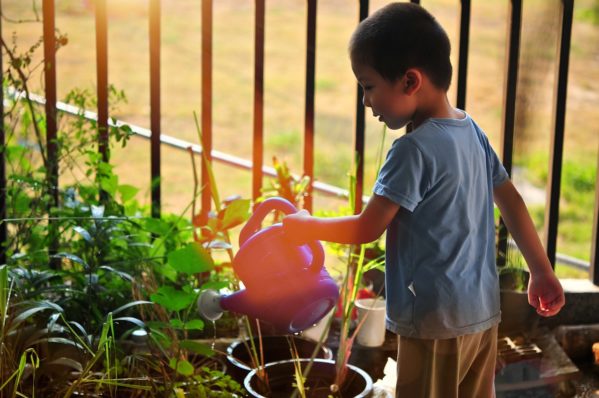
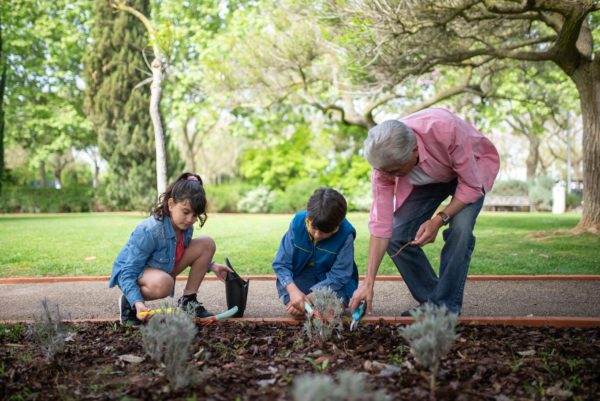
Gardening projects: Getting their hands dirty is great for developing those fine motor skills. Why not start with some simple projects like planting a mix of colourful flowers or easy-to-grow veggies?

spring activities for kids

Outdoor art and craft: Think grand nature collages or vibrant sidewalk chalk art that gets them moving and creating.

Water play and exploration: From a makeshift water table in the backyard to conducting simple water-based experiments, the possibilities are endless.

Biking and obstacle courses: Whether it’s a leisurely family bike ride or a thrilling obstacle course set up in the garden. These activities are great for improving coordination and building physical endurance.

spring activities for kids

Picnics with a twist: Elevate the classic picnic with a dash of active fun. Toss in some games and physical activities like frisbee, catch, or even a mini-sports day to make those picnic outings extra special and lively.

Incorporating learning into physical activities

Merging education with physical activity can turn every outdoor adventure into a learning opportunity. Here’s how:

  • Counting games during a hike: Transform a simple hike into a maths lesson by counting steps, trees, or even birds along the path.
  • Learning about plant life while gardening: Use gardening time to teach about different plant species, their growth cycles, and the importance of biodiversity.

spring activities for kids

As spring rolls in, it’s the perfect time to get our kids moving and grooving outdoors. These fun activities aren’t just great for their health; they’re also a fab way to spend some quality family time. So, let’s make the most of this lovely season and help our little ones grow strong and happy.


At Schoolhouse Daycare, we enjoy learning, encouraging confidence and we love life! If you think your child would enjoy life at Schoolhouse, then please do not hesitate to arrange a visit.

Looking for more ideas and inspiration? See more from us here:

Parent Information and Blogs

Budget Friendly Gift Ideas for Children Image

28 Nov 2025

Budget Friendly Gift Ideas for Children

Mandie’s Schoolhouse/Teilo’s Mardi Himal Challenge Image

25 Sep 2025

Mandie’s Schoolhouse/Teilo’s Mardi Himal Challenge

Healthy eating tips for infants  Image

24 Sep 2025

Healthy eating tips for infants 

A handy guide to celebrating New Year's Eve with children Image

20 Dec 2024

A handy guide to celebrating New Year's Eve with children

Parents say…

Dear Heledd and Lauren & everyone else in the Under 2’s Team at Singleton,- Thank’s so much! You’ve done so much for Eric since he started in August. He’s come on so much and is such a happy and confident boy. A lot of that is down to you all, you’re amazing!

Emma, Stephen, Ned & Eric

The staff are incredibly friendly and welcoming. We appreciate the regular updates via the app, especially the photos of activities like painting, playing outside, and reading. The observation updates are helpful for tracking Trystan’s skill development, which we can support at home.

We’ve noticed significant improvements in Trystan’s independence, such as using cutlery, dressing himself, and socialising with other children since joining Singleton Day Nursery.

We also love the celebration of national days like National Pet Day and St. David’s Day.

Charlie James, Parent of Trystan

To all of the amazing girls at Princess of Wales, Schoolhouse. I can’t believe I’m actually writing this. For over two years you’ve looked after my little boy, you’ve helped him grow, helped him learn and given him so much confidence. He seemed so small when I first dropped him with you for his very first day. I remember it so well, you were the first group to watch over my baby as he hadn’t left my side until then. I can remember how nervous I was leaving him…but now I can see it was the best thing I could do for him. Thank you from the bottom of my heart for helping my tiny baby become such a cheeky little boy that he is now. I’m sorry he has eaten sooo much food, but he loves all your meals (please send me some recipes) As William grows older and starts his next chapter we will never forget everything you’ve done for William. Thank you so much- William always wishes Maddy, Lauren and Cody sweet dreams at bed time!

Emma & Tom Moore (and William too!)

There’s nothing better than family time, especially around big holidays such as Easter. These are perfect for creating moments filled with laughter and creativity.

Want to create some Easter traditions? Let’s take a look at some experiences that are what Easter is all about, giving us precious memories to cherish.

1. Creative easter egg hunts

One of the most beloved Easter traditions for families is the Easter egg hunt, a thrilling quest for hidden treasures that delight both the young and the young at heart. Let’s take this tradition a step further with some inventive twists that promise even more fun and laughter.

  • Garden adventure: Transform your garden into an enchanting egg hunt with a traditional egg hunt peppered with hidden clues. Each clue leads to the next, turning the search into an exciting adventure. 
  • Nighttime glow: Add a sprinkle of magic to your Easter traditions for families with a nighttime egg hunt. Use glow-in-the-dark eggs to light up the garden, creating a mystical glow that guides the hunters.
  • Educational hunt: Who says Easter can’t be both fun and educational? Mix in some learning with your egg hunt by incorporating puzzles or riddles related to Easter or spring. Each solved puzzle reveals the location of the next egg, challenging kids to think and learn as they play. It’s a wonderful way to add depth to the egg hunt, making it a rewarding experience for curious minds.

easter traditions for families

2. Arts and crafts for all ages 

If you´re particularly crafty, why don´t you try some fun arts and crafts activities together? Such as:

  • Easter bonnets and baskets: Embrace the joy of DIY by crafting your own Easter bonnets and baskets. Utilise recycled materials, scraps of fabric, and a sprinkle of embellishments to create something truly unique. This activity also teaches the value of upcycling, making it a meaningful addition to your Easter traditions for families.
  • Egg decorating: A firm family favourite is egg decoration! Move beyond the traditional paint and dye; think natural dyes made from beetroot or turmeric, whimsical designs with stickers, or even temporary tattoos for a modern twist. Each egg becomes a canvas, reflecting individual imagination.

easter traditions for families

3. Cooking and baking easter traditions for families

Whether you love cooking and baking or you want your children to get culinary, there are a few on-theme things you can do to get your hands dirty:

  • Easter baking: Share the joy of baking with simple, Easter-themed recipes. Involve the kids in baking bunny-shaped cookies or crafting nest cakes with mini eggs nestled on top. 
  • Family brunch: Elevate your Easter with a festive brunch that caters to all taste buds. From savoury quiches to sweet pancakes shaped like Easter eggs, let your brunch be a feast that celebrates the season’s abundance.
  • Chocolate making: Add a twist to your Easter traditions for families with a chocolate-making session. Crafting your chocolate eggs or bunnies allows for custom fillings and decorations, turning each piece into a personalised work of art. 

easter traditions for families

4. Easter stories and games

Easter traditions for families often include tales of spring and renewal alongside games that bring everyone together.

  • Storytelling: Choose from a selection of Easter-themed books or stories that celebrate new beginnings and the wonders of nature. This cosy tradition not only entertains but also instils values of hope and renewal.
  • Easter games: Classics like the egg and spoon race, the bunny hop sack race, or the ever-popular pin the tail on the bunny, are fantastic ways to get everyone moving and enjoying the outdoors. These games are essential Easter traditions for families, creating lively memories that will be talked about long after the day is over.

easter traditions for families

Like any of these Easter traditions for families? Or perhaps you have your own? However you choose to celebrate, we hope you cherish these moments, creating memories that last a lifetime and bringing your family closer together each spring.


At Schoolhouse Daycare, we enjoy learning, encouraging confidence and we love life! If you think your child would enjoy life at Schoolhouse, then please do not hesitate to arrange a visit.

Looking for more ideas and inspiration? See more from us here:

Parent Information and Blogs

Budget Friendly Gift Ideas for Children Image

28 Nov 2025

Budget Friendly Gift Ideas for Children

Mandie’s Schoolhouse/Teilo’s Mardi Himal Challenge Image

25 Sep 2025

Mandie’s Schoolhouse/Teilo’s Mardi Himal Challenge

Healthy eating tips for infants  Image

24 Sep 2025

Healthy eating tips for infants 

A handy guide to celebrating New Year's Eve with children Image

20 Dec 2024

A handy guide to celebrating New Year's Eve with children

Parents say…

Dear Heledd and Lauren & everyone else in the Under 2’s Team at Singleton,- Thank’s so much! You’ve done so much for Eric since he started in August. He’s come on so much and is such a happy and confident boy. A lot of that is down to you all, you’re amazing!

Emma, Stephen, Ned & Eric

The staff are incredibly friendly and welcoming. We appreciate the regular updates via the app, especially the photos of activities like painting, playing outside, and reading. The observation updates are helpful for tracking Trystan’s skill development, which we can support at home.

We’ve noticed significant improvements in Trystan’s independence, such as using cutlery, dressing himself, and socialising with other children since joining Singleton Day Nursery.

We also love the celebration of national days like National Pet Day and St. David’s Day.

Charlie James, Parent of Trystan

To all of the amazing girls at Princess of Wales, Schoolhouse. I can’t believe I’m actually writing this. For over two years you’ve looked after my little boy, you’ve helped him grow, helped him learn and given him so much confidence. He seemed so small when I first dropped him with you for his very first day. I remember it so well, you were the first group to watch over my baby as he hadn’t left my side until then. I can remember how nervous I was leaving him…but now I can see it was the best thing I could do for him. Thank you from the bottom of my heart for helping my tiny baby become such a cheeky little boy that he is now. I’m sorry he has eaten sooo much food, but he loves all your meals (please send me some recipes) As William grows older and starts his next chapter we will never forget everything you’ve done for William. Thank you so much- William always wishes Maddy, Lauren and Cody sweet dreams at bed time!

Emma & Tom Moore (and William too!)