Caring for your baby’s skin: A guide for parents

Coping with cradle cap and navigating nappy rash are common challenges in early parenting and there are a bewildering amount of products available that claim to help. Here’s a simple guide to cleaning and bathing, plus top tips for some common skin conditions from birth to toddlerhood.
With newborns, less is more
Research shows that the best practice is to keep things simple. Because a baby’s newborn skin is still maturing, the NHS recommends avoiding cleansing and moisturising products until your baby is at least a month old. After a month, babies develop their own natural protective barrier and gentle products can be introduced.
Bathing
The World Health Organization recommends waiting at least 24 hours before bathing newborns to avoid temperature loss and encourage skin-to-skin bonding. Some babies may be born with a white creamy substance on their skin, this natural moisturiser, called vernix, has protected them in the amniotic fluid and it’s best absorbed naturally rather than washed off.
A baby’s first proper bath can happen at any time after the first day. Some parents will want to introduce a regular bath early on, as part of a gentle routine; for others, ‘topping and tailing’ will be fine for the first few days. Cotton wool and plain water is all you need to cleanse your baby’s face, neck, hands and bottom. If your family prefers wipes, gentle, water-based wipes are best for the early days. Babies don’t need to be bathed every day. In fact, two or three times a week is better than daily bathing as it allows the skin to develop its own natural barrier.
Have a look at the NHS website which includes a step-by-step guide to bathing and a link to topping and tailing.
Common infant skin conditions
-Cradle cap
Cradle cap is a harmless, non-contagious skin condition which appears as a yellow, crusty or greasy layer over the scalp and sometimes around the eyebrows. Parents recommend gently massaging coconut oil into the scalp and leaving overnight for the crusts to soften. The following morning, wash out with plain water or use a soft brush to remove the flakes.
Avoid olive oil. Research suggests it is not suitable for babies’ skin and, tempting as it is, don’t pick at the crusts as it could cause infection!
-Nappy rash
A thin layer of barrier balm applied to the nappy area to prevent or treat rashes is the only skin product parents might need in the first month. The ideal product is free from perfume and preservatives and will be effective for longer when parents wash their hands carefully before using it.
Nappy rash is most common between the ages of 9 and 12 months; some parents report that teething seems to make their baby’s poo more acidic, causing a skin reaction. Tips for reducing the risk of nappy rash include using good quality super-absorbent nappies and making sure the nappy is a good fit. As much nappy-free time as possible will reduce the chance of the skin being irritated or chafed, as will changing the nappy as soon as possible after events!
-Eczema
Eczema affects around one in five children in the UK and usually starts during the first six months. If your baby has dry skin or atopic eczema you will be advised to use moisturising creams, known as emollients.
Eczema can be caused by a number of different factors including family history, heat, allergens such as grass or pet hair and irritants in soaps or detergents. Find more information and support from The Eczema Society.
-Older babies and beyond
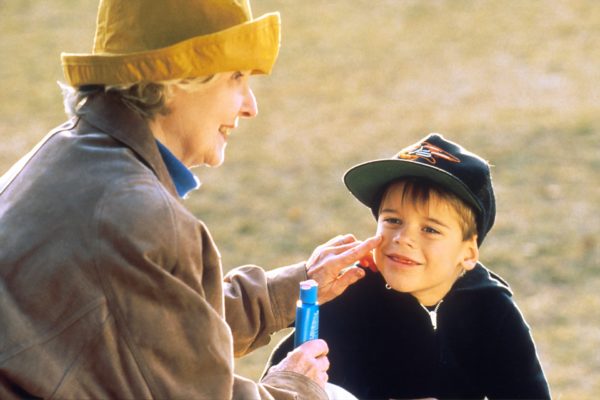
For children over 9 months the advice is to continue to use mild, fragrance-free cleansers and moisturisers. As infants begin eating more solid foods and exploring their environment, it’s important to gently clean their face and hands regularly to avoid irritation, especially after meals or outdoor play. Protecting their skin against the weather includes using appropriate sunscreen when outdoors. Read more Staying Safe In The Sun Caring for your child’s skin is an investment in their healthy future. Let your children see you caring for your own skin and enjoy looking after yourself too!