News and blogs
Creating Traditions to make Family Life Magical
Why traditions matter
Adults rarely remember what toys they received as young children, but we remember how our homes felt. Creating traditions for our families is a powerful way to build stability and connection through shared warm memories. From enjoying a favourite story at bedtime to a game guaranteed to generate laughter at get-togethers, these familiar experiences become part of our collective memories.

What counts as a tradition?
Traditions don’t have to be big or expensive. One family’s New Year tradition is to create a boat from half-walnut shells and write their wishes for the year on a piece of paper which becomes a sail. They all go for a short walk where the boats and their wishes are set sail along a stream. Another family might celebrate every birthday with a pancake breakfast or always listen to Christmas music while decorating the tree. A tradition can also be something you do on a weekly basis, like ‘pizza Fridays’, or something seasonal such as drawing a face on a pumpkin. They don’t need to involve extra cost; their value is in their repetition and the fun the group has together.
How to start new traditions:
Creating meaningful traditions doesn’t have to be complicated—just follow the SMICK approach for simple, sustainable habits. Start small by choosing something easy to repeat, and make it personal by linking it to your family’s interests or values. Include everyone so even toddlers can take part, and capture the moment with a photo or a quick drawing to make it memorable. Most importantly, keep it consistent—the magic of a tradition grows over time as those shared experiences become part of your family story.

Everyday Moments
Everyday routines can become treasured traditions with a little creativity. Plan a family film night and take turns choosing the movie, or turn an ordinary evening into a dance party in the kitchen with the children picking the playlist. When you’re short on time or energy, make dinner a picnic—spread a blanket on the floor, serve simple snacks, and enjoy the novelty together. To end the day on a positive note, share one “good thing” before bedtime, creating a gentle ritual of gratitude and connection.

Special Days
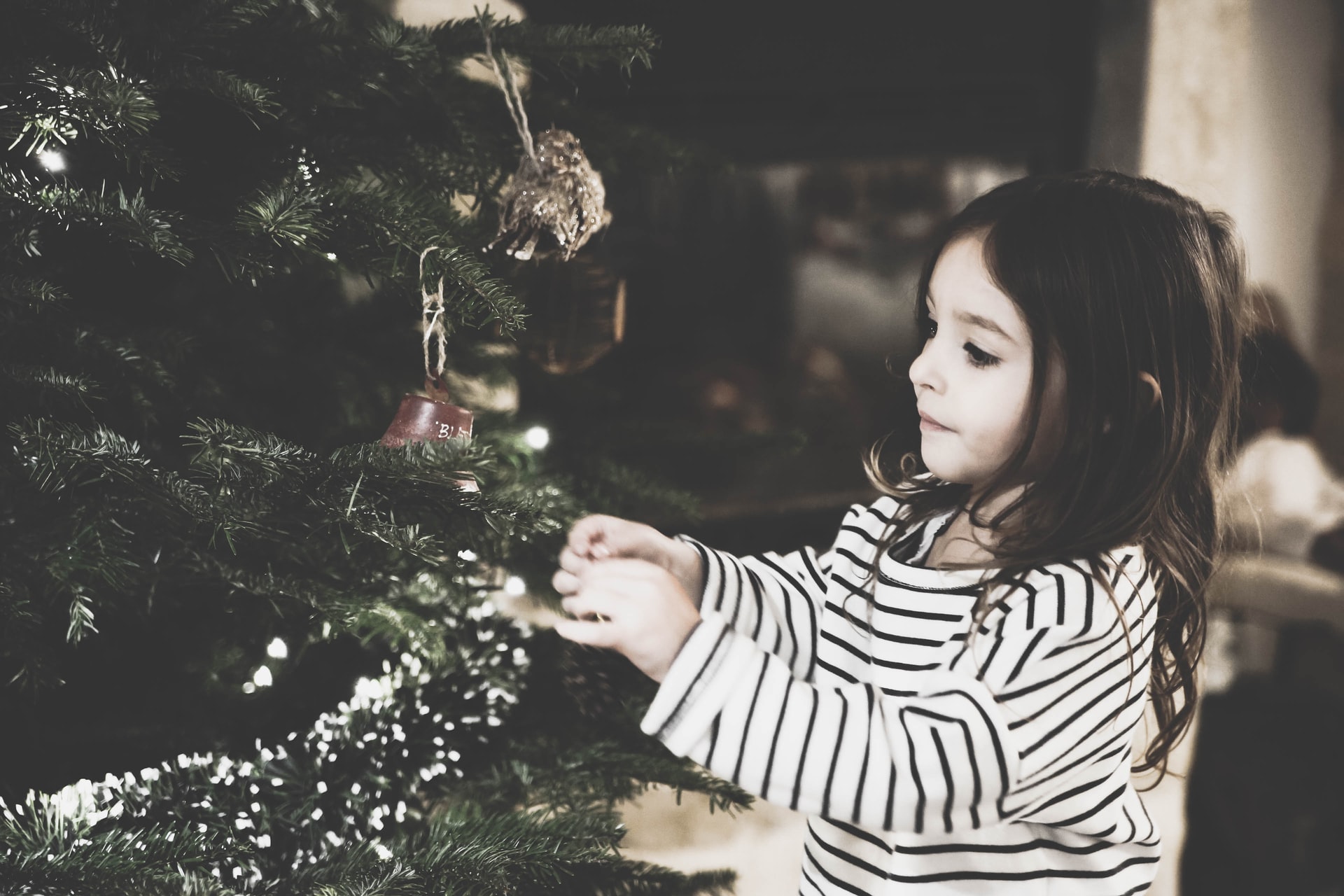
Marking special occasions with simple traditions can make them unforgettable. Try serving breakfast in bed on birthdays for a cosy start to the day, or choose a dedicated photo spot for that first-day-of-school picture each year to capture growth over time. At Christmas, make decorating a gingerbread house a family event filled with laughter and creativity, and start a tradition of creating or picking out a new ornament annually—each one becoming a little piece of your family’s story.
Creative Ideas
Add a spark of imagination to your family traditions with activities that encourage creativity and connection. One idea is to make a “year jar” by writing down one happy memory each week and reading them together on New Year’s Eve—a beautiful way to reflect on the year. You could also create a family flag, motto, or even a song that represents your shared values and identity. For a festive touch, make a reusable advent calendar and fill it with inexpensive treats or small surprises; you can buy a plain one and decorate it together for an extra dose of fun and personalisation.

Nature Connection
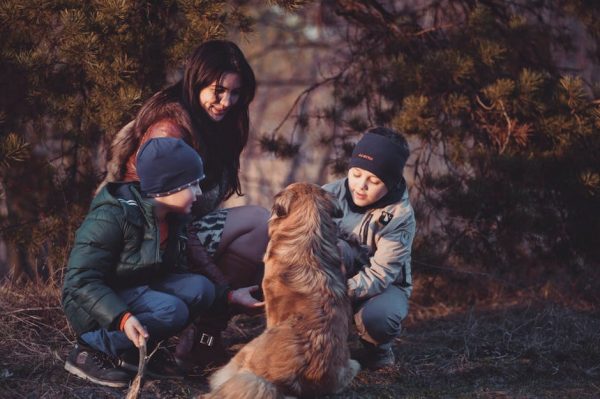
Spending time outdoors together creates calm, shared experiences and builds appreciation for the natural world. You could start with seasonal walks, choosing one day each season to visit a local park or woodland and collect something small—a leaf, a photo of a tree, or a pebble—to keep in a “Seasons Box.” Another lovely idea is a starry night ritual: once a month, wrap up warm, head outside after dark, and look for constellations or invent your own star stories. For a tradition that grows with your family, plant something together each year—a flower, herb, or tree—and watch your garden become a living timeline of shared memories.
Keeping traditions flexible
Of course, families grow and change over time and it’s normal to add and subtract ideas as we try things out. If something that worked one year doesn’t succeed the next, remember “it’s the feeling that matters, not the form”. Little children may love to perform for their family at special occasions but that joy could be replaced by self consciousness as they move into their teens. Sensitivity to how family members are feeling will be more important than sticking rigidly to a tradition.
Creating and maintaining traditions with your family means listening to everyone from the youngest to the oldest for a truly shared moment. Taking the time to be together, even for a short moment, on a regular basis builds security for children. The quality of the time together and the reliability of it are as much the magic of the tradition as the practice itself.